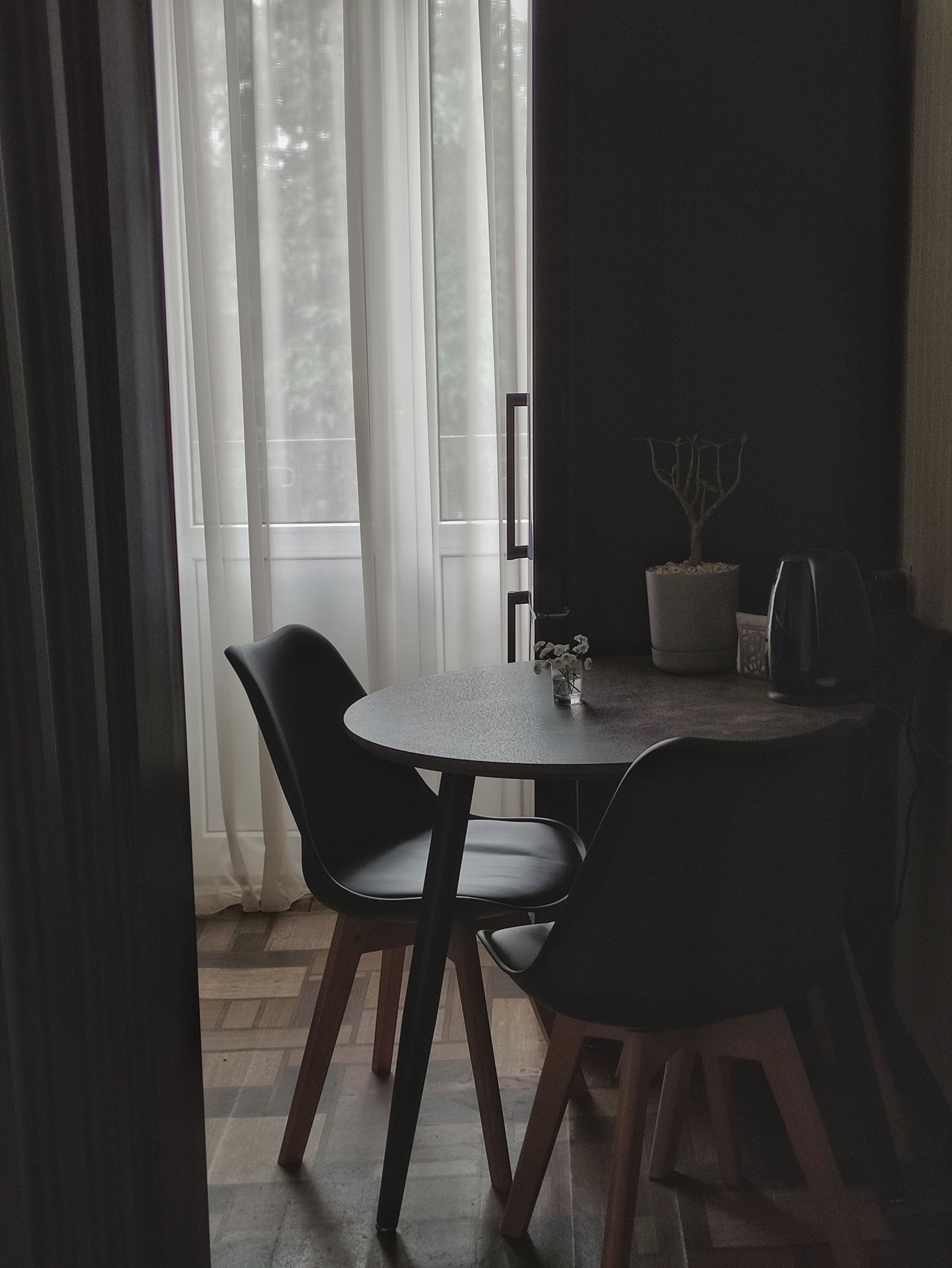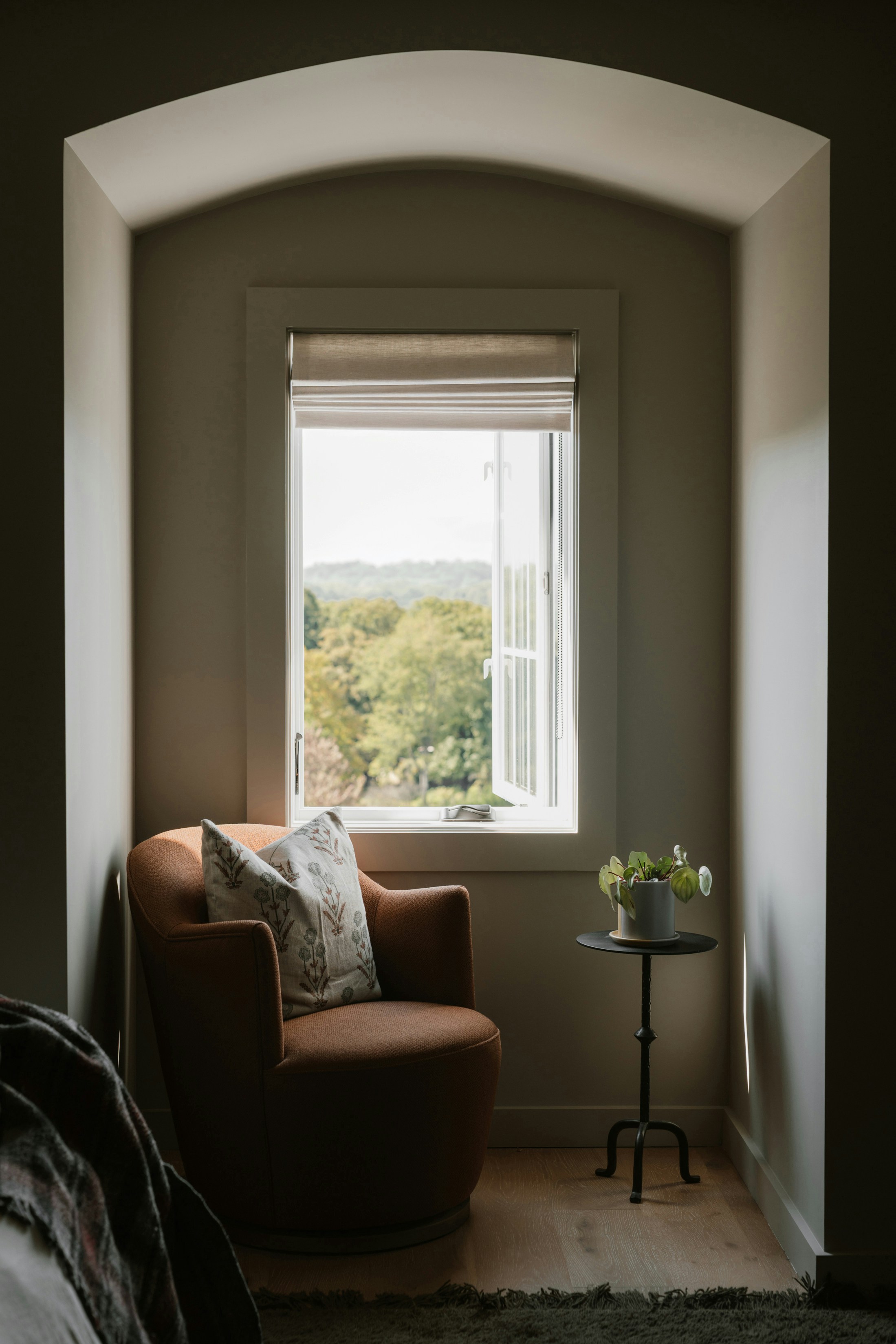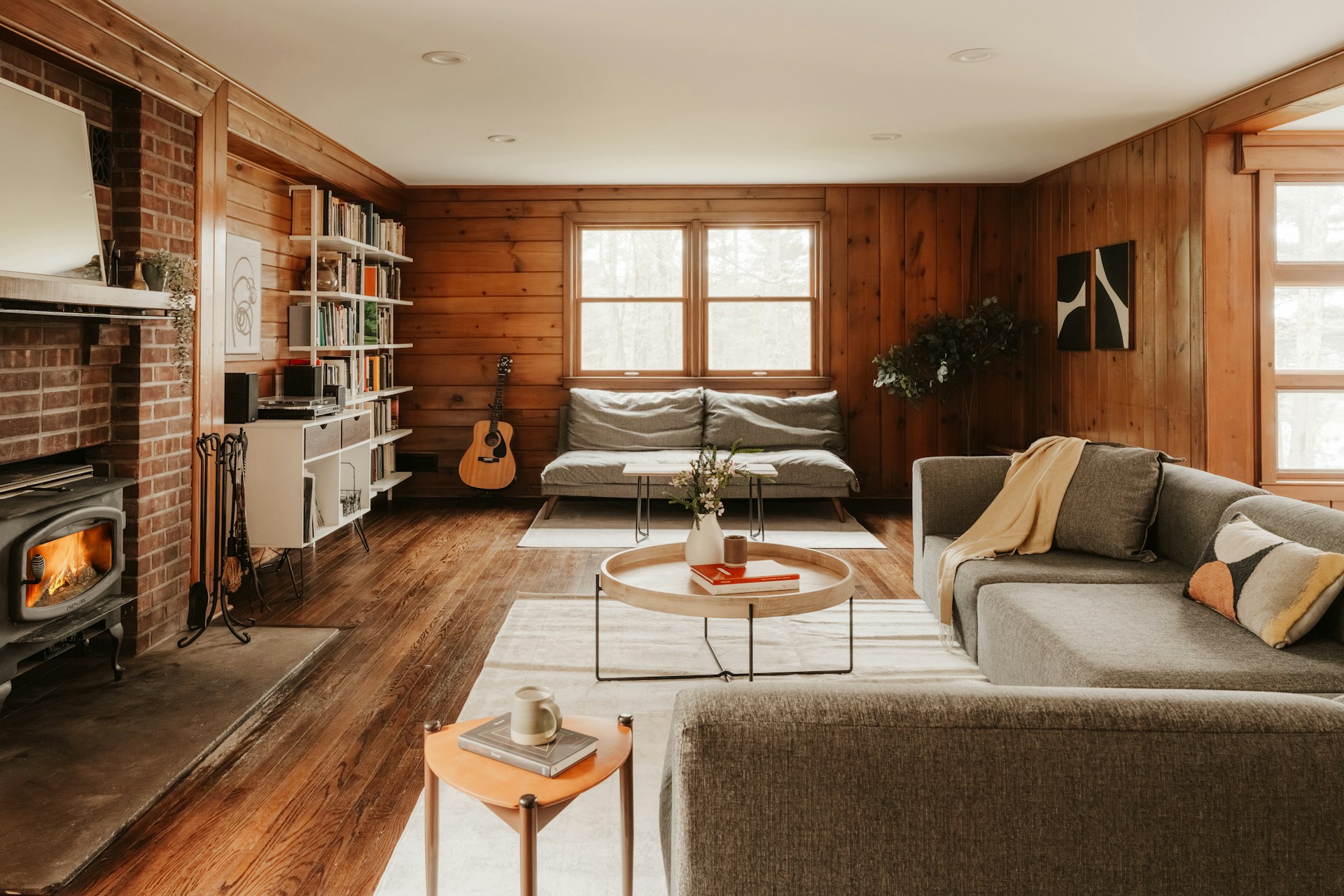
If you have to turn sideways to get from the sofa to the kitchen, the problem might be the furniture arrangement rather than the size of the room. Moving one chair, turning a rug or taking the coffee table out for an evening can tell you more than another afternoon spent shopping for smaller furniture.
These nine small living room layout mistakes each come with a fix you can try at home. Start with whichever one you notice most often in daily life.
This article contains paid links. If you buy through them, we may earn a commission at no extra cost to you. As an Amazon Associate I earn from qualifying purchases.
1. Leaving the main walkway until last
Start at the doorway and walk the routes you use most: to the kitchen, past the sofa, or through to the balcony. Do it with the room set up as it normally is, including an occupied chair or an open door. The easiest spot to fix is often the one where you turn your shoulder or step around a table corner.
Try instead: Shift the piece that interrupts the route, even if that means the sofa and TV are no longer perfectly centered on their walls. Test the new route carrying a laundry basket or a dinner tray. Leave enough room for everyone who uses the space to move comfortably.
In a through-room: If the shortest route cuts between the sofa and the TV, try putting the chair and side table on the sofa side of that route. You can then move between rooms without crossing the seating group. In a room with two doors on opposite walls, try keeping the diagonal between them free before deciding which wall should anchor the sofa.
2. Buying a sofa based on width alone
A sofa can fit the wall and still overwhelm the room. Deep arms reduce seating width, a chaise can cross a doorway, and a recliner needs room when open. In apartments, the stair landing and the turn through the front door matter too.
Try instead: Mark the full footprint on the floor using paper or painter’s tape that you’ve tested on the finish. Include any chaise, reclining section or pullout bed. Put a chair where the sofa front would be and see what happens to the rest of the room. If you already own a sectional with a reversible chaise, check whether swapping sides clears the approach.
3. Pushing every seat against a wall
A sofa against the wall can be exactly right in a narrow room. The trouble comes when every other seat follows suit: people sit across a wide gap, while the middle stays empty or turns into a shortcut through the conversation.
Try instead: Leave the sofa where it works and bring one chair closer to its end. Angle the chair gently inward, then sit in both spots to see whether conversation feels easier. If the chair back now interrupts the walkway, try the other end of the sofa.
If you want one chair to face both the sofa and the TV, the ivory CHITA swivel barrel chair on Amazon (paid link) has a curved back and a concealed swivel base. It is about 31 inches wide and deep, so give it room to turn without brushing the sofa. Consider it a splurge only if it can replace two seating positions you would otherwise furnish.
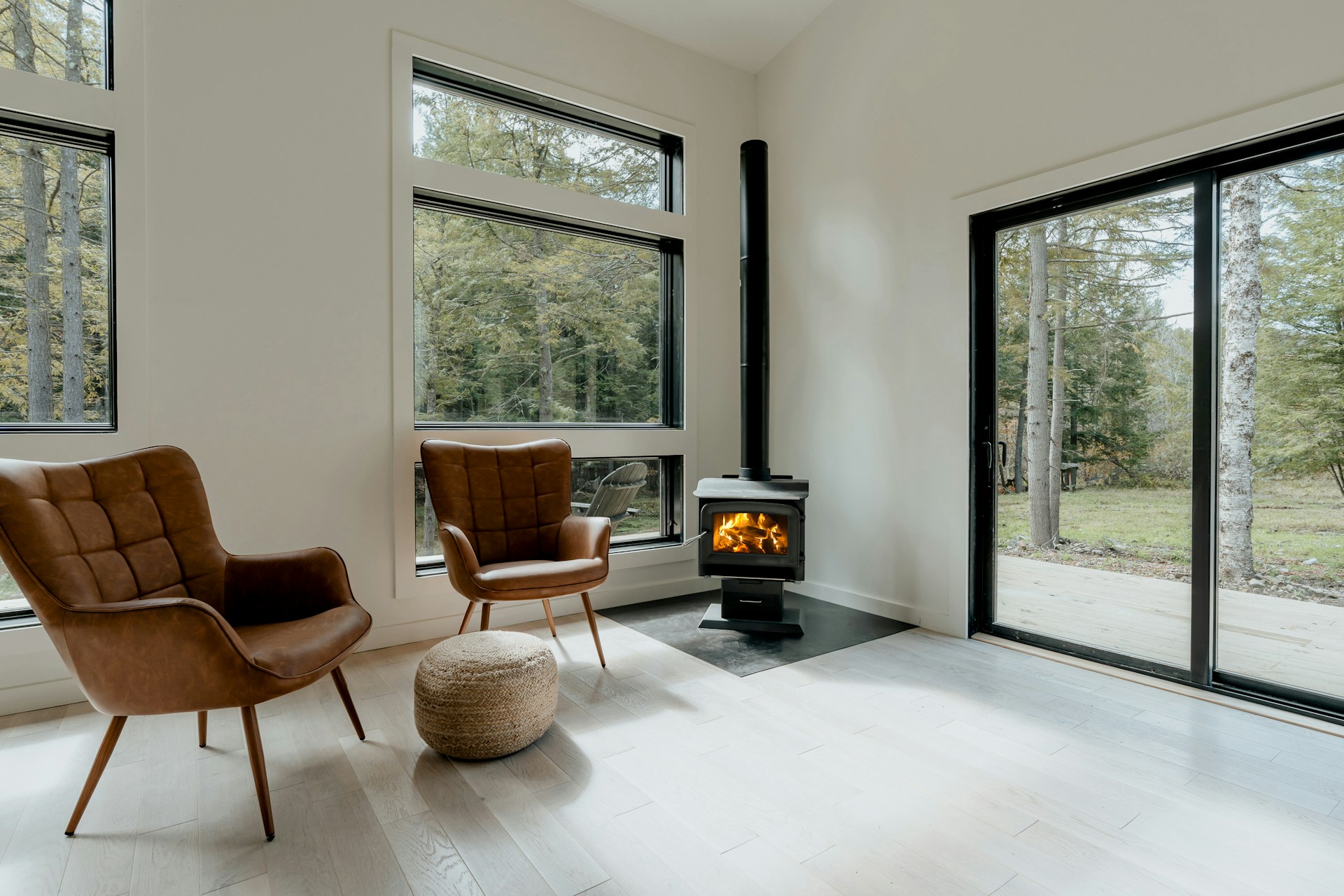
Two chairs angled toward a shared focal point can make a seating area feel inviting. Photo by Clay Banks on Unsplash.
4. Asking the TV wall to decide everything
If the only convenient place for the TV is off-center, pointing every chair straight at it can make the room awkward for everything else. Think about what happens when the screen is off: where do you sit to read, talk or have coffee?
Try instead: Give the main sofa a comfortable view of the screen, then turn the occasional chair toward the sofa. Check the view from each seat in the afternoon as well as at night; window glare may matter more than where the screen sits on the wall.
In a long, narrow room: Try seating at one end instead of spreading it along the full length. The other end can hold a small dining or work area. Sit in each zone and make sure neither chair pulls back into the route between them.
5. Putting a coffee table where you need space to stand
The table may look proportional in a photo, but can you get up without knocking your shins? Can someone pass while you sit? If the center feels crowded, take the table away for a night before deciding what to buy.
Try instead: Move a small table you already own beside the sofa. If that works for most days but you want a second surface when someone visits, compare the VASAGLE round coffee table pair in rustic brown on Amazon (paid link). Use the larger table where you need it and bring out the smaller one for a guest. The larger top is about 24 inches across; mark that circle on the floor and walk around it before ordering.
Give the new setup a real test: set down a mug from your usual seat, then see whether a second person can do the same without stretching across you. If you mostly use the coffee table for meals or games, try shifting it to the quieter end of the sofa before deciding to give it up.
6. Choosing a rug to fit the coffee table instead of the seating
A rug that stops just before every seat can make the coffee table look like an island. But a larger rug can also be awkward if it catches on a door or leaves an edge across the path.
Try instead: Rotate or shift the rug you own so it relates to the seating. Start by trying the sofa’s front legs on it and see where the chair lands. If you’re considering a different size, mark the edges before ordering and check how they meet doors, vents and the main walkway. Keep rug edges flat.
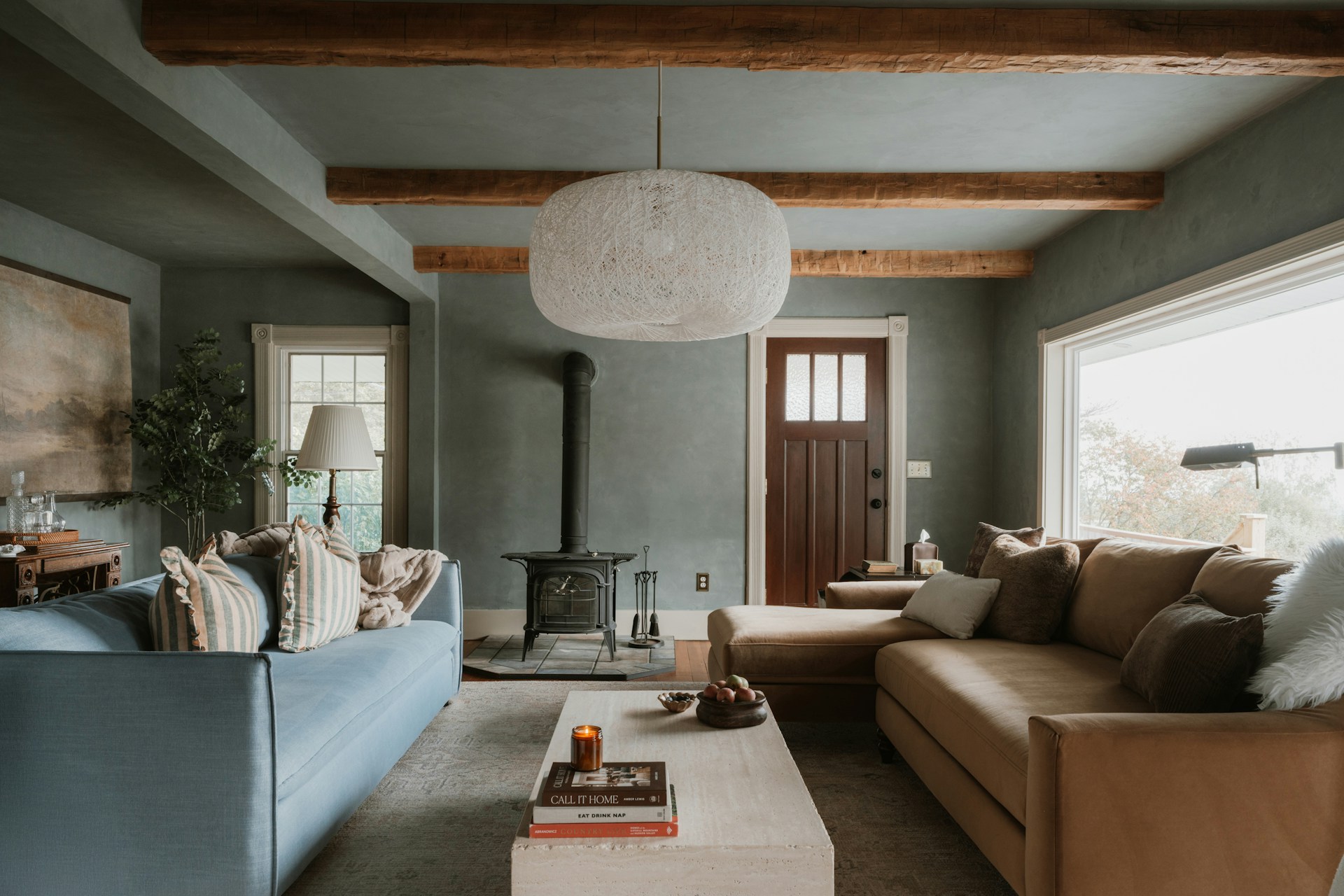
A rug can connect the seating pieces in one area. Borrow the placement idea and scale it to your room. Photo by Clay Banks on Unsplash.
If the rug already fits your sofa but the chair sits awkwardly half on it, move the chair fully off the rug or bring both front legs onto it. Check that it sits level and doesn’t rock. That small adjustment can make the arrangement look more deliberate without replacing the rug.
If you do need a new rug, the Loloi Layla low-pile rug in Olive/Charcoal on Amazon (paid link) adds a faded pattern without introducing a bold block of color. This listing points to the 7 ft 6 in × 9 ft 6 in version. Trace that size first and choose a smaller variant if it crosses a doorway or overwhelms the seating area.
7. Giving occasional guests permanent floor space
Two extra chairs might make sense when friends come over, but if they block a cabinet every day, they may be taking up too much space for how often you use them.
Try instead: Keep the seats you need most days, and borrow a dining chair when friends come over. Try it beside the sofa before guests arrive: make sure the chair gives them a comfortable place to sit without blocking a cabinet or doorway. If you frequently host, choose a permanent seat only once you know where it can live between visits.
8. Lighting the room from the ceiling only
An overhead light can brighten the floor and still leave a shadow on your book. The best seat in the room during the day may go unused at night simply because it has no light where you need it.
Try instead: Borrow a lamp and try it beside your usual reading seat after dark. Adjust the position until it lights the page comfortably without reflecting in the TV. Keep the cord out of the walking route. If that corner is doing double duty, see our cozy reading nook ideas for small spaces.
If you want the light to double as a decorative accent, compare the Globe Electric × Novogratz Haydel floor lamp on Amazon (paid link). The matte brass finish and two lights offer a different look from a single reading lamp. Mark the base position and check whether the light falls where you need it before committing to the corner.
9. Adding storage before deciding what needs to live there
A cabinet can make clutter disappear from view and still leave the room feeling crowded. Before buying storage, notice which items routinely end up on the sofa or coffee table. A remote needs a different solution from a pile of bags that lands there because the front door opens into the room.
Try instead: Give remotes a tray, throws a spot near the sofa and bags a place by the door. Test those homes for a few days before replacing furniture. Our small entryway ideas when you have no hallway can help if the clutter starts at the front door.
If you have an unused slot beside a cabinet, compare the black Yamazaki Tower slim rolling cart on Amazon (paid link). Its wood-look top and narrow steel frame suit a spot you’d rather keep visually quiet. The frame is just over five inches wide; measure the gap at the baseboard and leave enough space in front to pull it out. It’s better for small supplies than for bulky throws.
A quick layout test before you buy anything
- Take a photo from the doorway so you can compare the two arrangements.
- Move one lightweight piece that gets in the way most often.
- Walk the route, sit down, stand up and open nearby doors or drawers.
- Use the room for a normal evening. Notice what you miss and what feels easier.
If your new setup feels better with the coffee table gone but you miss having somewhere for a mug, you’ve narrowed the problem down to one small surface. That’s a much more useful shopping brief than “replace the living room furniture.”
Try this in a shared room: Before buying anything, move the extra chair out for an evening, angle the remaining chair toward the sofa and borrow a lamp. If you miss the seat but like the space, plan a place to store guest seating. If the seat is fine but the corner still feels unused, fix the lighting before rethinking the whole layout.
Frequently asked questions
Should I float my sofa in a small living room?
Try it if the sofa back can define a useful zone and there is still a comfortable route behind or around it. In a narrow room, keeping the sofa against a wall may leave more usable space. Test the occupied room before deciding.
Can a small living room work without a coffee table?
Yes. Try a side table within easy reach first. If you regularly use your coffee table for games, meals or shared snacks, make sure the replacement actually serves that purpose.
How can I make room for dining in the same space?
Put the dining zone where it least interrupts the routes between the kitchen and seats. Test it with dining chairs pulled out. See our small dining area ideas without a dining room for layouts to try.
Featured photograph: Clay Banks on Unsplash. The photographs illustrate layout ideas and do not depict the linked Amazon products.