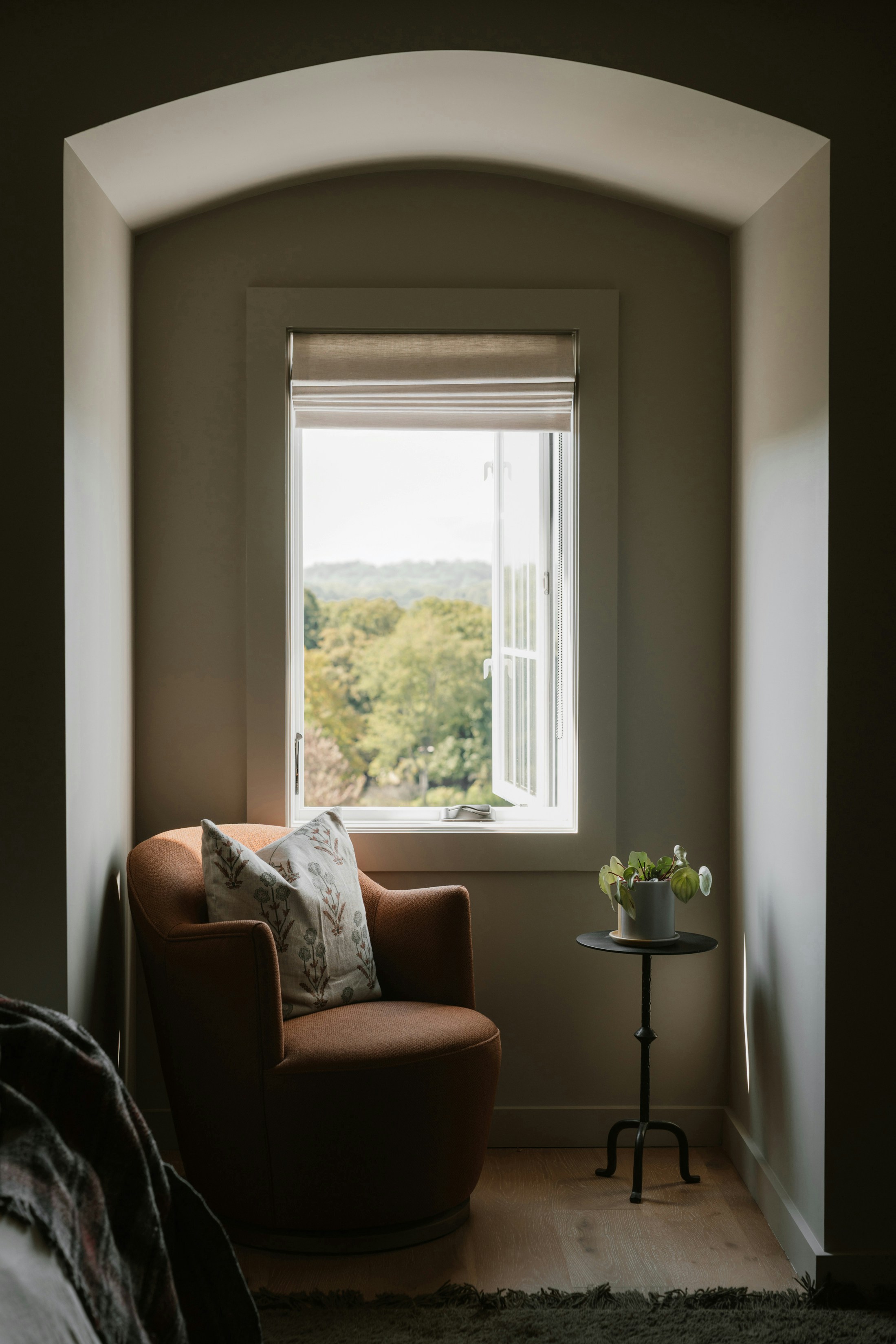
There’s something lovely about having a little corner of your home that invites you to slow down. Somewhere to settle into a good book, enjoy a quiet morning or simply escape the noise of the day for a while.
And no, you don’t need a bay window, a home library or an entire spare room to make it happen.
Some of the most inviting reading nooks fit into surprisingly ordinary places: the end of a sofa, an unused bedroom corner or a small stretch of wall beside a window. The trick is choosing a comfortable spot, giving it good light and making every detail earn its space.
If you’ve been wondering how to create a cozy reading nook in a small apartment or compact living room, these nine ideas offer a place to begin.
Before You Begin: Make the Space Work
A lovely reading corner isn’t much use if you have to squeeze past a chair every time you cross the room. Before you buy anything, measure the floor space and think about how you’ll move around it.
Check whether doors and drawers can still open, where your feet will rest when you’re sitting, and how easily you can get up. If you’re considering a new chair, mark its overall dimensions on the floor with painter’s tape. It’s often a better reality check than a product photograph.
A reading nook really needs only three things:
- A comfortable place to sit. It can be a compact armchair, an existing sofa, a properly designed bench or a supportive floor chair.
- Light you can actually read by. Soft atmosphere is lovely, but a well-positioned reading light matters more.
- Somewhere to put your book. A narrow table, shelf or basket will do.
Everything else is an opportunity to add personality.
1. Turn an Unused Living Room Corner Into a Cozy Retreat
That slightly awkward corner beside the sofa might be the perfect place to start. Rather than filling it with another decorative object, give it a purpose.
A compact accent chair, a slim reading lamp and a small landing spot for your book can be enough. For a softer feel, look for textured upholstery, gently rounded shapes and colors already used elsewhere in the room.
Don’t feel you need matching furniture. A wood side table beside a light upholstered chair or an antique-brass lamp against a simple backdrop can look personal and collected.
Small-space tip: Check the chair’s overall width and depth, not just its seat measurements. Wide arms and a deep back can take up more room than the photograph suggests. Leave enough space to walk comfortably around it.
2. Make a Reading Nook at the End of Your Sofa
Here’s an idea that doesn’t require another chair at all. If one end of your sofa is naturally comfortable, turn it into your favorite reading spot.
Add a focused lamp, keep a small basket for your current reads nearby and make sure there’s a convenient place for a drink. A C-shaped table can be useful here because some designs slide partly beneath a sofa, bringing the tabletop within reach without the footprint of a regular end table.
The key word is some. Check the clearance beneath your own sofa before choosing a table; not every design fits.
A favorite throw and a well-placed cushion can finish the corner without turning it into a separate decorating project.
Small-space tip: If you already have a good end table, don’t buy another. Improving the lighting may be all you need.
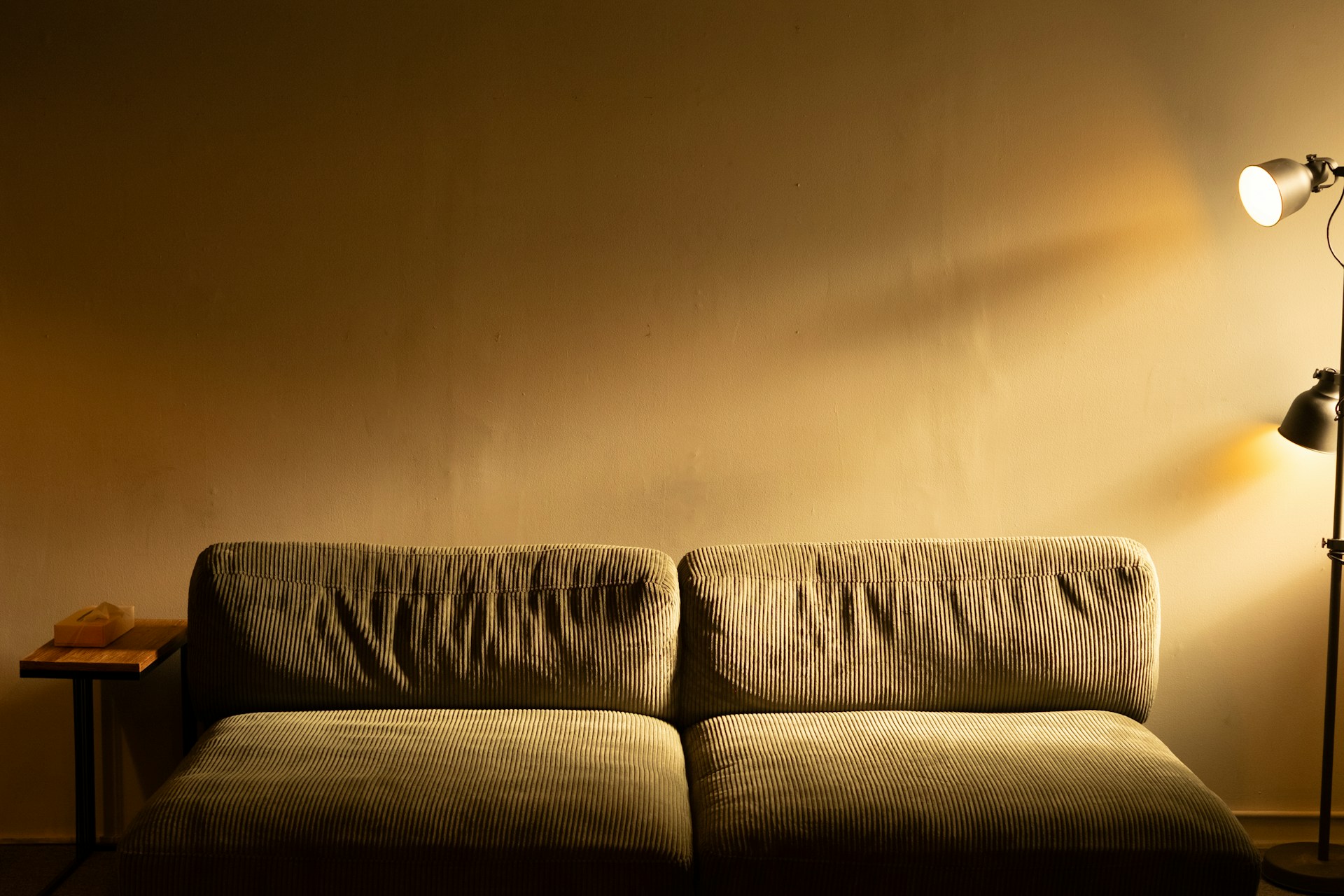
An existing sofa can become a reading spot with focused light and a convenient surface. Photo: Josh Sorenson.
3. Enjoy a Window-Side Reading Corner
Natural light can make a small reading nook feel especially welcoming. If there’s a quiet space beside a window, try positioning a chair so you can enjoy the daylight without blocking the window, curtains or a walkway.
Angling the chair slightly toward the room can feel more relaxed than pressing it flat against the wall. It may also help you avoid direct glare at certain times of day.
Keep this arrangement light: a compact table, soft textiles and perhaps a plant suited to the available light. Just remember you’ll still need a lamp for gray afternoons and evenings.
Small-space tip: Leave room to operate blinds and curtains. A beautiful chair that makes the window difficult to use soon becomes frustrating.
4. Borrow a Quiet Corner From Your Bedroom
Bedrooms can make lovely reading spaces, especially if the living room is usually busy. Look for a spot that doesn’t interfere with opening drawers, reaching the closet or walking around the bed.
If you have room, a small upholstered chair and an adjustable lamp create a gentle distinction between the sleeping and reading areas. A low basket or compact shelf can hold books without adding too much visual clutter.
Borrow one or two colors from the bedding to make the corner feel connected to the room. You don’t need an exact match; a soft green, warm neutral or muted blue repeated in a cushion is enough.
And if there isn’t space for another chair? Make the bed your reading spot, with supportive pillows, improved bedside lighting and a handy place to leave your book.
Small-space tip: Be realistic about daily use. A chair that becomes the laundry drop-off point may not be worth giving up the floor space.
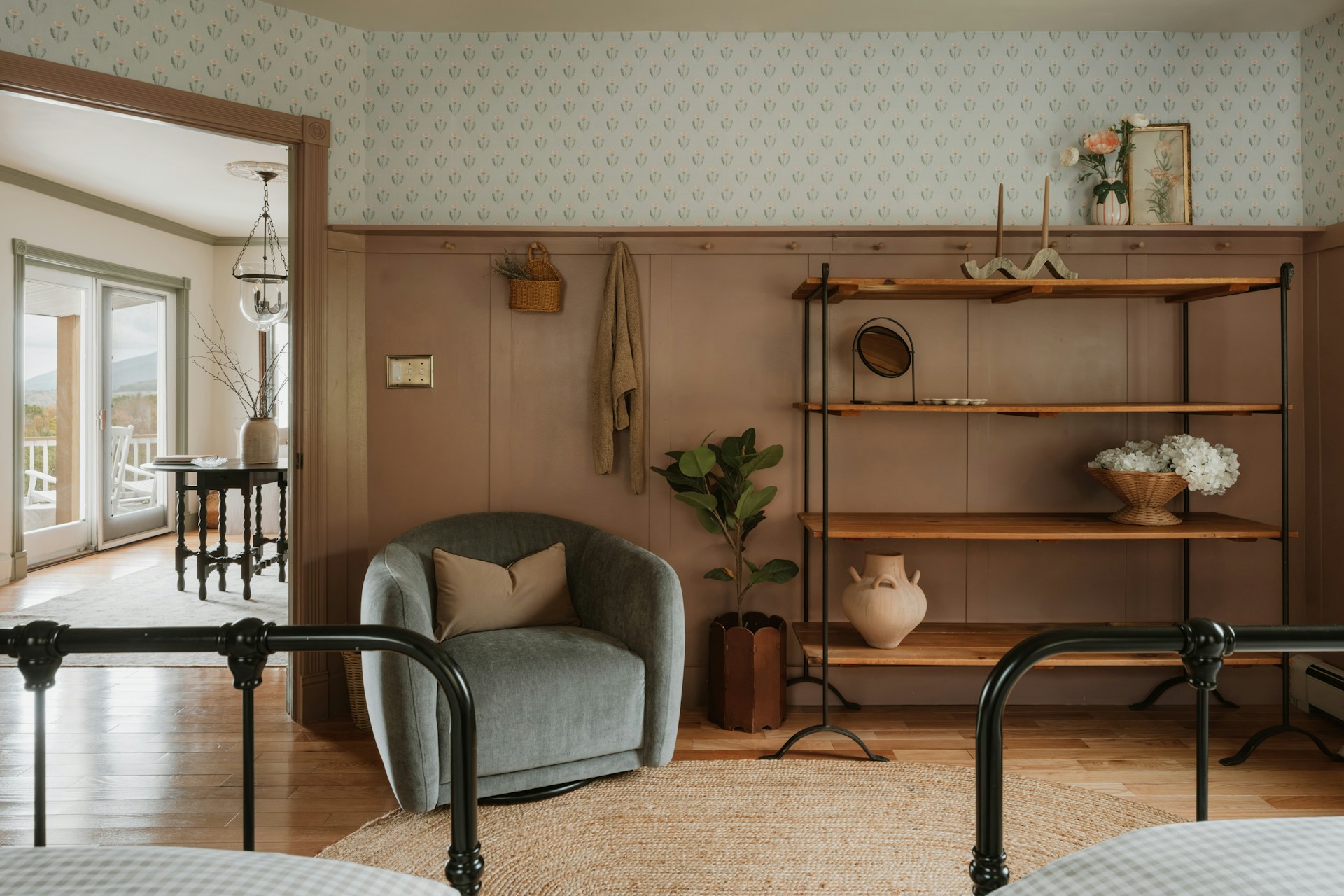
A bedroom corner can be a peaceful alternative to the living room. Photo: Clay Banks.
5. Build a Mini Library With Vertical Storage
A small reading corner can quickly feel crowded if books spill onto every surface. Rather than squeezing in several separate pieces, look upward.
A narrow bookcase or thoughtfully arranged shelves can hold a selection of books while leaving most of the floor free. Mix current reads with favorites, and give the arrangement a little breathing room instead of filling every shelf edge to edge.
Choose storage that suits the books you actually own. Some slim decorative shelves are too shallow for larger hardcovers, while lightweight bookcases may have relatively modest shelf-load limits.
For tall, freestanding furniture, follow the manufacturer’s assembly and anti-tip anchoring instructions.
Small-space tip: Measure the depth of your largest books before shopping. A bookshelf that won’t hold them is no bargain.
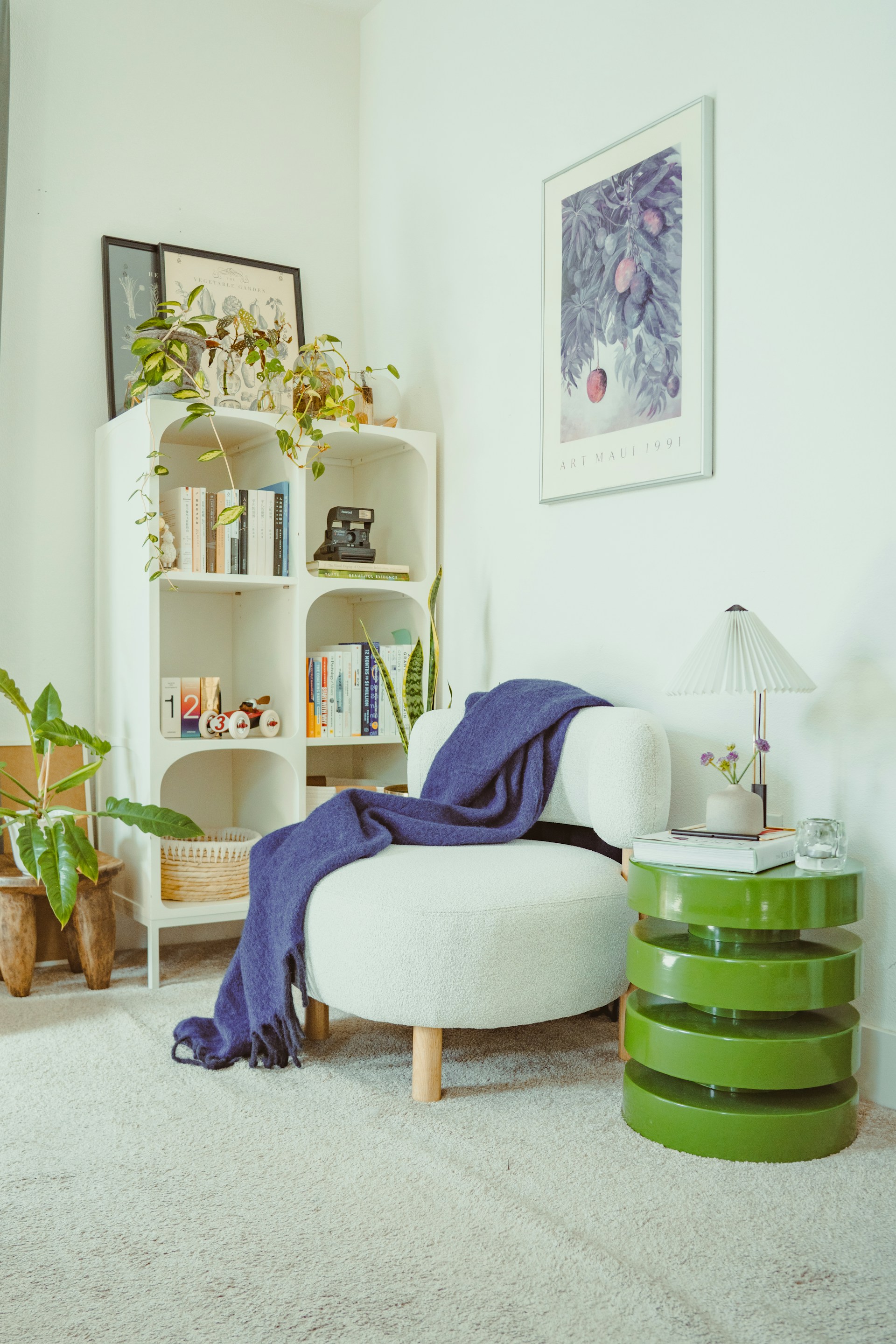
Keeping favorite books within reach helps a compact reading spot feel complete. Photo: Kailun Zhang.
6. Turn a Suitable Unused Closet Into a Tucked-Away Retreat
An underused closet can create that appealing feeling of a little hideaway, but only if it’s genuinely suitable for sitting in.
A properly supported seat, gentle colors, a few favorite books and safe lighting can make a difference. Don’t sit on an ordinary shelf unless it’s designed and rated to support a person, and keep ventilation and a clear exit in mind.
If you’re renting, avoid permanent changes without permission.
Small-space tip: If the closet is too narrow for comfortable seating, use it for books and place the reading chair just outside. You’ll still create a defined reading zone without forcing the space to do something it wasn’t built for.
7. Choose Seating That Doubles as Storage
In a compact home, furniture that does two useful jobs can earn its place. A storage bench or ottoman could give spare throws, books or blankets a home while offering an occasional place to sit.
But comfort matters. A low bench with no backrest may look lovely and work perfectly for a short reading break, yet be less suitable for settling in with a novel for an hour.
Only choose a bench that’s actually designed for seating, and check the manufacturer’s stated load capacity. Think about how the storage opens, too: a lift-up lid needs clearance above it.
Small-space tip: If long reading sessions are your priority, don’t sacrifice back support just to gain storage. An armchair and a separate basket may suit you better.
8. Create a Reading Corner That Can Move in a Studio Apartment
When the same room is your living space, bedroom and sometimes office, a permanent extra chair may not be realistic.
Instead, work with furniture that can change roles. A comfortable, lightweight chair, compact lamp and nesting table can create a reading spot when you need it. Keep the colors related to the rest of the room so the setup feels intentional rather than squeezed in.
A small rug can help define the area visually, provided it lies flat and doesn’t create a tripping hazard.
Small-space tip: Before buying anything foldable or movable, decide where it will live when it’s not in use. Furniture isn’t truly space-saving if you have nowhere for it to go.
9. Try a Soft, Floor-Level Reading Spot
Not every cozy reading nook needs an armchair. If you enjoy sitting closer to the floor, a supportive floor chair or firm cushion can create an informal spot with surprisingly little furniture.
A low surface for your book and a carefully positioned lamp will help make it practical. Add a throw or rug for warmth, but don’t rely on a pile of decorative pillows for all your back support.
Floor seating isn’t comfortable or accessible for everyone, particularly if getting down or standing up is difficult. The best reading nook is one that suits your own body and habits.
Small-space tip: Try rearranging something you already own before buying a dedicated floor chair.
Thoughtful Finds for Your Reading Corner
Some links below are paid affiliate links. If you buy through them, Curated Home Finds may earn a commission at no additional cost to you. As an Amazon Associate I earn from qualifying purchases.
These aren’t products we’ve personally tested. They’re considered options based on their published features and how well they could fit the room ideas above. Always check the current listing, dimensions, finish and delivery information before purchasing.
A compact chair for a quiet corner
The COLAMY Mid-Century Accent Chair has padded arms and an additional back pillow, with an overall footprint of roughly 27 inches wide and 30 inches deep. It could make a comfortable-looking starting point for Idea 1 without choosing a particularly oversized chair. Check the seat measurements as well as the outer dimensions before ordering.
++See the COLAMY Accent Chair on Amazon (paid link) →++
A focused lamp for evening reading
The Brightech Leaf LED Reading Lamp offers an adjustable arm and shade, three brightness settings and warm-white light. Its slender profile could work nicely next to a chair or sofa. The limitation worth knowing: it uses an integrated LED rather than a regular replaceable bulb. We selected the Antique Brass (Gold) version on Amazon.com; international visitors may see a locally matched variation.
++See the Brightech Leaf Reading Lamp on Amazon (paid link) →++
A side table that sits close to the sofa
The VASAGLE C-Shaped Side Table gives you a compact surface for a book, mug and reading glasses. Its published measurements are about 15.7 inches wide, 11.8 inches deep and 24.4 inches high. It’s especially worth considering for Idea 2, but make sure its base will fit beneath your particular sofa.
++See the VASAGLE Side Table on Amazon (paid link) →++
A narrow bookcase for favorite reads
The Furinno LUDER Five-Tier Bookcase is approximately 15.8 inches wide and 9.4 inches deep, so it could suit a narrow wall. It’s made from engineered board rather than solid wood. Check the shelf-load limits, avoid overloading it with heavy hardcovers and follow the anti-tip safety instructions.
++See the Furinno LUDER Bookcase on Amazon (paid link) →++
A storage ottoman for double-duty seating
The SONGMICS MAZIE Folding Storage Ottoman measures approximately 30 by 15 by 15 inches. Its concealed storage can help keep a corner tidy, although its low height and lack of backrest make it better for occasional seating than an extended reading session. Verify the intended use and load rating on the current listing.
++See the SONGMICS Storage Ottoman on Amazon (paid link) →++
How to Choose the Right Reading Nook Essentials
Start with the seat. Look beyond style and check height, depth, armrests and support. A chair can be petite on the outside and still feel too low or too narrow for comfortable reading.
Give lighting proper attention. A lamp with adjustable direction makes it easier to light the page without shining into your eyes. Think about outlet placement and keep cords out of walkways. Don’t run power cords beneath rugs.
Keep the landing spot practical. You don’t need a large table, just enough space for what you actually use. Ideally, you can reach it without leaning awkwardly.
Add fewer finishing touches than you think. A throw, one cushion or a favorite object may be all that’s needed. Empty space is part of what makes a small corner feel calm.
Three Mistakes Worth Avoiding
Buying before measuring. Account for the entire chair and the space needed to get around it, not just the spot where its legs will stand.
Choosing mood lighting instead of reading light. A warm glow can be beautiful and still leave your page difficult to see.
Overdecorating the corner. Too many baskets, cushions and shelves can make a small nook feel crowded rather than restful.
Frequently Asked Questions
How do you make a reading nook in a small bedroom?
Choose a corner that doesn’t block drawers, the closet or the route around the bed. Add a compact chair and task lighting if there’s room. Otherwise, make the bed itself a more comfortable reading spot with supportive pillows and a well-positioned lamp.
Can you create a reading nook without a chair?
Absolutely. An existing sofa, a properly designed window bench or a supportive floor chair can all work. Prioritize comfort, good light and somewhere nearby to leave your book.
What makes a reading nook feel cozy?
Usually it’s the combination of a comfortable seat, pleasant light and a few personal details. Soft fabrics and favorite books can help, but there’s no need to fill every inch with decoration.
How can I make a reading nook on a budget?
Start by rearranging what you own. Moving a chair closer to a window, improving your existing lamp or bringing over a small table from another room may be enough.
A Little Corner Can Make a Big Difference
The nicest reading nook isn’t necessarily the one with the most beautiful chair or the tallest bookshelf. It’s the one that fits naturally into your home and invites you to use it.
Maybe it’s a sunny spot by the window. Maybe it’s the end of your sofa with a good lamp and a blanket. Or perhaps it’s a bedroom corner that finally has a purpose.
Choose one small space, make it comfortable and build from there. A home doesn’t need to be large to have room for a little peace and quiet.
For more ideas, explore our ++Small Space Decorating Ideas++ and ++Cozy Living Room Ideas++.